
Japanese Panko Breadcrumbs Make the Difference
Japanese panko breadcrumbs now claim 46% of the global breadcrumb market, making them the single largest, crispiest crumb type today. Moreover, demand keeps rising at around 6.8% each year. These airy Japanese flakes also carry less oil than ordinary crumbs, so coatings stay light and crisp. In short, panko has quietly become the crumb that cooks trust most. This guide explains what panko is, why it works, and how to use it well.
What Exactly is Panko?
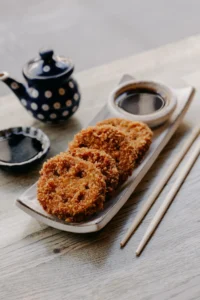 Panko is a Japanese-style breadcrumb made from crustless white bread. Makers bake the dough using an electric current rather than a hot oven. As a result, the bread cooks without forming a crust. Then they shred it into large, jagged flakes and dry them gently. Consequently, the crumbs look bigger, paler, and far flakier than standard breadcrumbs. The word “panko” simply joins the Japanese terms for bread and crumb. Today, though, cooks worldwide rely on it far beyond Japan.
How Panko Differs From Regular Breadcrumbs
Regular breadcrumbs use whole bread, including the crust, ground into a fine, dense powder. Panko, by contrast, stays coarse and feathery. Because of this, the two behave very differently in the pan. Standard crumbs soak up oil and turn heavy. Panko sheds oil instead, so food drains cleaner and tastes lighter.
Why Japanese Panko Breadcrumbs Make All the Difference
The secret lies in surface area. Each flake holds tiny pockets and ridges, so it traps air rather than grease. Therefore, when the coating hits hot oil, the moisture flashes off quickly. The crumbs then set into a rigid, glassy crust. This is exactly why panko-crusted food crunches so loudly and stays crisp for longer.
A Lighter, Crunchier Result
Panko absorbs noticeably less oil than ordinary crumbs. Many cooks therefore describe the finished dish as lighter and less greasy. Nutritionally, a typical serving holds about 100 calories, 21g of carbohydrate, and 4g of protein. Although those numbers sit close to regular crumbs, the lower oil pickup often trims the final fat content.
It Stays Crisp for Longer
Sogginess ruins fried food fast. However, panko resists moisture far better than fine crumbs. So your katsu, fish, or chicken keeps its crunch from the kitchen to the table.
How to Cook With Panko
First, set up a simple bread line. You need flour, beaten egg, and a bowl of panko. Next, coat your food in flour, dip it in egg, then press it firmly into the crumbs. After that, fry, bake, or air-fry until golden.
Best Dishes for Panko
Panko shines whenever you want a crisp outer shell. For example, it gives Japanese tonkatsu and chicken katsu their classic crunch. It also works beautifully on fish fillets, prawns, and breaded vegetables. Additionally, scatter it over macaroni cheese or a gratin for a golden, crunchy top.
Baking And Air-Frying
You do not always need a deep pan of oil. Indeed, panko crisps up nicely in the oven too. Simply spray your coated food lightly, then bake until golden. An air-fryer works in much the same way. Either method gives a crunchy result with far less fat.
When to Choose Regular Crumbs Instead
Sometimes finer crumbs win. If a recipe needs a binder, reach for standard breadcrumbs instead. They disappear neatly into meatballs, meatloaf, and stuffing. In those dishes, you want the crumb to vanish, not to crunch.
Simple Tips for Using Japanese Panko Breadcrumbs
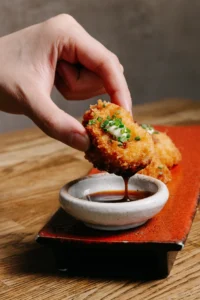 Watch the heat, because panko browns quickly. Therefore, lower your temperature slightly under the grill. Furthermore, toast plain panko in a dry pan first if you plan to bake rather than fry. This trick adds colour and crunch without any oil. Finally, season the crumbs with salt, pepper, or parmesan, since panko tastes fairly plain on its own.
The Bottom Line
Panko earns its growing fame for good reason. It coats lightly, crunches loudly, and holds its texture far longer than ordinary crumbs. So next time you bread a cutlet or top a bake, reach for these clever Japanese flakes. In truth, this one small swap can lift an everyday dish into something special.