
Best Katsu Recipe: Japan’s Breaded Cutlet
Discover the best katsu recipe secrets behind Japan’s £2.1 billion tonkatsu boom, with Saboten now running 500+ outlets across the globe. Schnitzel still holds its crown as Austria’s national dish, and global fried chicken sales cleared £27 billion last year. Yet katsu keeps pulling new fans in every corner of the world. The reason comes down to technique, texture, and a bit of culinary obsession. Japanese chefs borrowed a European idea in the 1890s and spent the next 130 years tweaking it. Panko-coated cutlets now outsell traditional breaded dishes across much of Asia. Katsu sandwiches turn up on menus from London cafés to Los Angeles food trucks. This piece pits three breaded heavyweights against each other and digs into why Japan’s take stands apart. Expect a bit of history, some kitchen science, and a closer look at that signature shattering crunch.
A Quick History of the Breaded Cutlet
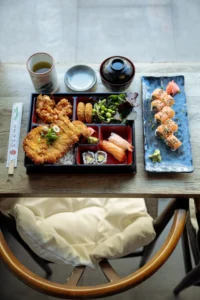 Schnitzel got there first. Wiener Schnitzel records go back to 1719 in Vienna, where cooks pounded veal thin and coated it in flour, egg, and fine breadcrumbs. Southern fried chicken came next, shaped in the American South during the 1700s by Scottish immigrants and West African cooks working side by side. Japan turned up late to the party. A Tokyo restaurant called Rengatei served “katsuretsu” in 1899, its own spin on the European cutlet. Early katsu used thin beef and shallow oil, though, so it looked a lot like schnitzel’s cousin. The version we recognise today only appeared in the 1920s. That’s when chef Shinjiro Shimada thickened the pork and deep-fried it the way tempura cooks fried their fish. Tonkatsu became Japan’s first proper fusion food.
From Cutlet to Cultural Icon
Soldiers used to eat katsu before battles because “katsu” sounds like the Japanese word for “victory.” Students still order it before exams for the same reason. Schnitzel carries similar weight in Austria, and fried chicken anchors Sunday dinners across the American South.
What Makes the Best Katsu Recipe Different?
All three dishes share breading, frying, and meat. The details are where they part ways.
The Breadcrumbs
Schnitzel uses fine, dense breadcrumbs that cling tight to the meat. American fried chicken often skips breadcrumbs altogether and leans on seasoned flour. Japanese cooks invented panko, which uses large, airy flakes made from crustless bread. Those flakes absorb less oil and create a lighter, crispier shell. Lab tests put panko at roughly 40% less grease than standard breadcrumbs.
The Meat
Wiener Schnitzel demands veal, which cooks pound to about 4mm thick. Fried chicken, by contrast, keeps the bone in and the skin on. Tonkatsu, however, celebrates thick pork loin or fillet, usually 2cm or more. Furthermore, the fancier versions use Kurobuta or Berkshire pork for a richer, fattier flavour.
The Oil and Frying Style
Austrian cooks pan-fry schnitzel in clarified butter or lard at moderate heat. Americans cook deep-fried chicken in shortening or vegetable oil, often going in for a second round. Japanese chefs do something cleverer. They deep-fry katsu at 160°C first to seal the meat, then crank the heat to 180°C to crisp the shell. That double-fry trick is what gives katsu its juicy middle and audible crackle.
Why the Best Katsu Recipe Beats the Rest
 Panko changes everything about texture. Japanese cooks also treat frying like a science rather than a habit. On top of that, the sauces and sides pull the whole plate together.
The Sauce Game
Schnitzel typically arrives with a lemon wedge, and sometimes a spoonful of lingonberry jam joins the plate. Fried chicken, meanwhile, pairs naturally with hot sauce or gravy. Tonkatsu sauce, however, plays in a different league entirely. Specifically, cooks blend fruit, vegetables, vinegar, and spices into a sort of Japanese HP sauce. Restaurants then serve katsu alongside shredded cabbage, miso soup, and pickled vegetables. Consequently, that mix of fat and freshness keeps every bite interesting. Therefore, you can keep eating it without getting bored.
The Variations
Japan rarely stops at one version of anything, so katsu has dozens of spin-offs. Katsudon stacks the cutlet over rice with egg and onions. Katsu curry drowns it in thick Japanese curry sauce. Katsu sando squeezes it between two slices of crustless white bread. Schnitzel and fried chicken just don’t have that range of mainstream variations.
Frequently Asked Questions
Is katsu just Japanese schnitzel? Not quite. Katsu started as a schnitzel copy, but panko and deep-frying took it somewhere new.
Why is panko better than regular breadcrumbs? The flakes are bigger and lighter, so they soak up less oil and stay crispy for longer.
Can I make katsu at home? Easily. Grab thick pork loin, season it, coat it in flour, egg, and panko, then deep-fry at 170°C for about six minutes.
What’s the best cut for tonkatsu? Pork loin gives you the classic. Fillet (hire-katsu) is leaner and more tender if you prefer that.