
Traditional Sushi London: Expert Preparation Guide
Experience the best traditional sushi London offers. Our chefs combine fresh fish, vinegared rice, and precise knife skills. Furthermore, the global sushi market recently exceeded £7 billion.
Therefore, understanding this culinary craft enhances every single bite. Diners appreciate the complex preparation process immensely.
The Core Elements of Traditional Sushi Making
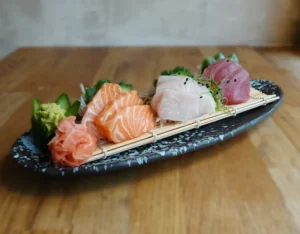
Initially, sushi chefs focus purely on the rice. They call this seasoned rice “shari” in the professional kitchen.
Specifically, they wash, soak, and steam short-grain Japanese rice. Afterwards, they gently fold in vinegar, sugar, and sea salt.
Consequently, the seasoned rice supports the fish beautifully. It never overwhelms the delicate seafood flavours.
Selecting Superior Seafood
Next, chefs carefully select the freshest seasonal seafood. They visit local fish markets early every single morning.
For example, fatty tuna provides a rich, buttery texture. Conversely, fresh whitefish offers a clean and crisp taste.
Moreover, chefs often lightly cure or marinate certain fish. This traditional process naturally deepens the rich umami flavours.
Mastering the Blade
Undeniably, a sushi master needs exceptional knife skills. They wield razor-sharp, specialised steel blades daily.
Consequently, they slice seafood without tearing the delicate flesh. Every clean cut preserves the natural texture perfectly.
Furthermore, precise slices drastically improve the overall mouthfeel. Diners instantly notice this seamless culinary experience.
The Art of Shaping
Then, the chef shapes the sushi completely by hand. They mould the warm rice swiftly and very gently.
Next, they place the sliced fish directly on top. Sometimes, they add a tiny dab of fresh wasabi underneath.
Ultimately, the chef balances the fish and rice perfectly. They design each piece for on
e single perfect bite.
Exploring Different Traditional Sushi London Varieties
Generally, restaurants serve several distinct types of sushi. Diners love trying different creative flavour combinations.
For instance, nigiri features fish over hand-pressed rice. It highlights the pure quality of the fresh seafood.
Meanwhile, maki rolls contain fish and vegetables inside seaweed. Chefs slice these long rolls into tiny bite-sized pieces.
Moreover, uramaki uniquely places the rice on the outside. Chefs often sprinkle toasted sesame seeds over these specific rolls.
The Importance of Seasonality
Importantly, Japanese cuisine relies heavily on fresh seasonal ingredients. Chefs call this vital concept “shun” locally.
Therefore, the traditional menu changes throughout the entire year. Chefs serve only the freshest available seasonal produce.
For example, they might offer fatty yellowtail in winter. Conversely, they strictly serve lean bonito during the spring.
Experiencing the Sushi Counter
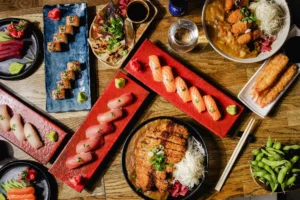
Undoubtedly, sitting at the traditional sushi counter feels magical. Diners watch the experienced chef work very closely.
Consequently, this intimate seating arrangement builds a personal connection. The chef interacts directly with every single seated guest.
Furthermore, they serve each delicious piece immediately after shaping it. This rapid service ensures the absolute best possible temperature.
Proper Dining Etiquette
Interestingly, traditional dining etiquette enhances the entire culinary experience. Patrons should always consume sushi in one single bite.
Also, diners should carefully dip the fish into soy sauce. They must strictly avoid soaking the delicate seasoned rice.
Consequently, the rice holds its beautiful shape flawlessly. The distinct flavours remain perfectly balanced on the palate.
The Role of Nori Seaweed
Additionally, chefs use roasted seaweed called nori frequently. They wrap delicious ingredients tightly inside it.
First, they toast the dark nori over an open flame. This crucial step quickly releases its deep umami flavour.
Furthermore, crisp seaweed provides an excellent textural contrast overall. It complements the soft, seasoned rice perfectly during consumption.
Adding the Final Touches
Finally, chefs add elegant traditional garnishes to the plates. They frequently use vibrant shiso leaves or fresh edible flowers.
Additionally, they provide sliced pickled ginger alongside the meal. Diners eat ginger to cleanse their palates between different bites.
Therefore, these incredibly small details elevate the entire meal. They transform dinner into a true sensory journey.
A Lasting Culinary Legacy
In conclusion, eating sushi offers a truly unique cultural experience. Diners taste the chef’s lifelong dedication directly.
Therefore, visiting a traditional restaurant brings immense dining joy. You experience authentic Japanese heritage first-hand during the meal.
Ultimately, every meal celebrates centuries of highly refined craftsmanship. Diners truly appreciate this incredible culinary dedication to perfection.