
The story behind tonkatsu sauce: sweet, tangy, and surprisingly complex
Discover the tonkatsu sauce recipe story behind Japan’s beloved condiment – sweet, tangy, and complex. Taste the real thing at Tanakatsu today. That thick, glossy brown sauce poured over crispy pork cutlets carries centuries of culinary history. It blends Japanese tradition with surprising Western influences. Moreover, it tells a story of cultural exchange, careful craftsmanship, and clever flavour layering. So next time you reach for the bottle, you might appreciate it a little more.
What Exactly is Tonkatsu Sauce?
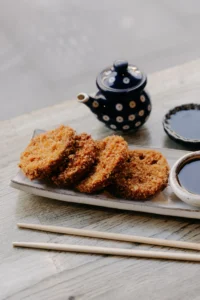 Tonkatsu sauce is a thick, fruity Japanese condiment served with breaded, deep-fried pork cutlets. People often describe it as Japan’s answer to Worcestershire sauce, only sweeter and richer. The texture clings beautifully to crispy panko coating without making it soggy. Furthermore, the flavour balances sweet, tangy, savoury, and slightly spicy notes in one spoonful.
The sauce belongs to a wider family known as “Japanese Worcestershire-style sauces” or sōsu. However, tonkatsu sauce stands apart because of its thickness and pronounced fruit content. You’ll typically find it paired with katsu dishes, croquettes, and even okonomiyaki across Japan.
A brief tonkatsu sauce recipe history with Western roots
Surprisingly, tonkatsu sauce has European origins. British Worcestershire sauce arrived in Japan during the Meiji era in the late 1800s. Japanese chefs loved the umami punch but found the thin texture awkward for coating fried foods. Therefore, they began thickening it and adding more fruit and sugar. By the 1940s, the brand Bull-Dog had popularised the modern tonkatsu sauce we know today.
According to industry data, Japan’s sauce and condiment market reached approximately 580 billion yen in 2023. Tonkatsu and similar brown sauces make up a sizeable slice of that figure. Bull-Dog alone sells over 50 million bottles a year. Clearly, this humble condiment punches well above its weight.
The Ingredients That Make it Special
So what goes into a proper tonkatsu sauce? The answer is more complex than you might expect. Traditional recipes blend over 20 different ingredients, although the exact ratios remain closely guarded trade secrets.
Fruits and Vegetables
The base usually starts with puréed apples, tomatoes, prunes, and dates. These provide natural sweetness and that distinctive fruity depth. Onions, carrots, and celery add savoury background notes. Together, they create a foundation that feels rich without being heavy.
Vinegars and Spices
Next come the vinegars, typically a mix of malt and rice varieties. They bring brightness and cut through the richness of fried pork. Then there’s the spice blend: cloves, cinnamon, nutmeg, bay leaves, and sometimes star anise. Each spice plays a small but essential role.
Sweeteners and Seasonings
Finally, sugar, salt, and soy sauce round everything out. Some premium versions also include miso or dashi for extra umami. The result is a condiment with layered complexity rather than one-note sweetness.
Why this tonkatsu sauce recipe pairs so well with katsu
The magic happens when sauce meets cutlet. Hot, crispy pork carries a lot of fat and salt. Consequently, you need something acidic and sweet to balance the palate. Tonkatsu sauce delivers exactly that. Its thickness also means it sits on top of the breadcrumbs rather than soaking in. Each bite stays crunchy from start to finish.
At Tanakatsu, we take this pairing seriously. The sauce should complement the pork, not overpower it. That’s why quality matters so much.
Common Questions About Tonkatsu Sauce
 Is tonkatsu sauce gluten-free?
Most commercial versions contain wheat through soy sauce or malt vinegar. However, gluten-free alternatives do exist if you check labels carefully.
Can I make tonkatsu sauce at home?
Yes, and it’s easier than you’d think. A quick version combines ketchup, Worcestershire sauce, soy sauce, sugar, and a touch of Dijon mustard. Mix and taste as you go.
How long does tonkatsu sauce last?
An unopened bottle lasts up to a year in the cupboard. Once opened, refrigerate it and use within three months for best flavour.
What’s the difference between tonkatsu and katsu curry sauce?
Tonkatsu sauce is thick, fruity, and served cold or room temperature. Katsu curry sauce is a warm Japanese curry gravy, completely different in flavour and texture.
Taste it for Yourself at Tanakatsu
Reading about tonkatsu sauce only takes you so far. The real story unfolds when you taste it drizzled over a freshly fried cutlet. Come visit us at Tanakatsu and experience that perfect balance of sweet, tangy, and savoury yourself. After all, some traditions deserve to be tasted, not just talked about.