
Japanese Food Culture: Eating With The Seasons
Japanese food culture captures the very essence of nature, focusing on seasonal freshness and mindful preparation. Therefore, we should look closely at its core principles. Shun is that key idea . It does not just mean “seasonal“. Rather, shun is about eating ingredients at their absolute peak of flavour and freshness. It is a fundamental philosophy. Furthermore, it completely changes how Japanese chefs approach their work. This commitment to the freshest ingredients is the foundation of delicious, authentic cooking. In essence, understanding shun opens the door to understanding true Japanese flavour.
The Rhythms of Shun: The Rhythms of Shun in Japanese Food Culture
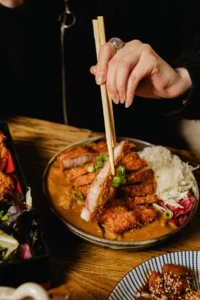 Shun is not simply about general seasons. Instead, it observes three distinct stages for every food. First, there is hashiri (the beginning). These early ingredients are exciting. They carry a promise of the season to come. Next, the food reaches its peak, which is its true shun. This is when the flavour is richest and most intense. Finally, the ingredient moves into nagori (the lingering end). These final tastes often symbolise the coming change. Consequently, a skilled Japanese chef constantly monitors this subtle cycle. They know exactly when each ingredient is at its best.
Honouring Flavour and Freshness
This deep respect for nature naturally leads to better flavour. Foods harvested at their peak have more nutrients. They also taste undeniably better. Consider the difference in a tomato grown in winter and one picked in high summer. The summer tomato is vibrant and sweet. Therefore, the Japanese chef avoids masking the natural flavour. They do not use heavy sauces or strong spices. Instead, they use simple methods. For instance, they might use a light steam or a gentle simmer. This approach truly lets the quality of the ingredient shine. Consequently, the diner experiences a purer, more natural taste.
Shun and Regionality: Shun, Regionality, and Japanese Food Culture
The philosophy of shun strongly connects to Japan’s diverse geography. Japan stretches a long way from north to south. This means different regions have different peak seasons. For example, the best time for bamboo shoots might be early in the south. However, it could be much later in the cooler north. Moreover, local specialities celebrate shun. Kyoto is famous for its heirloom vegetables. Hokkaido is known for its incredible seafood. Chefs proudly showcase these local, seasonal treasures. By doing this, they honour both the season and their specific location. As a result, dining in Japan becomes a journey. It connects you deeply to the land and the time of year.
Shun’s Impact on the Menu
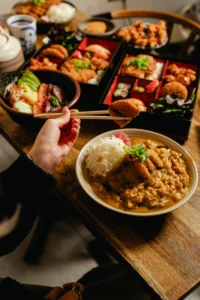 Japanese menus change constantly. They rarely stay the same for very long. This is a direct reflection of shun. Chefs craft their dishes around what they can buy that day. Therefore, dining becomes a very dynamic experience. A restaurant might feature sweet spring fiddlehead ferns one week. Next week, it will move on to rich summer sea urchin. Kaiseki is the ultimate expression of this idea . This traditional multi-course meal is an artistic sequence. It guides the diner through the subtle transitions of the season. Everything on the plate speaks to the current moment. Furthermore, the tableware also reflects the season. For example, autumn leaves might decorate a dish.
A Sustainable Way to Eat
Focusing on shun also has wider benefits. Specifically, eating seasonally is naturally more sustainable. It reduces the need for long-distance transport. It also lowers the demand for artificial heating and cooling. Supporting local farmers and fishermen is another benefit. By demanding food at its best, you support better farming practices. This ancient wisdom provides a modern solution. It guides us toward a more respectful relationship with our food. We should all embrace this thoughtful approach. Consequently, we can enjoy better flavour and a healthier planet.
In conclusion, shun is much more than just a culinary rule. It is a deep cultural belief. It dictates what a chef cooks and how they cook it. Shun encourages patience and observation. It reminds us of nature’s delicate timing. Therefore, the best Japanese food tastes so fresh and balanced. It completely honours the life of the ingredient. We can all learn from this simple yet profound wisdom. Shun is truly the heart and soul of Japanese cooking.