
Authentic Japanese Restaurants Hide Modern Myths
Authentic Japanese restaurants serve food that delights diners worldwide, providing a brilliant and truly unforgettable culinary experience. Millions enjoy eating these wonderful meals daily. However, many popular dishes hide a surprising secret completely. Often, your favourite meals lack true Japanese roots. Instead, creative chefs adapted them for Western tastes. Consequently, modern dining myths confuse many enthusiastic food lovers. Therefore, we will explore ten surprising examples today. You will discover the real origins of these famous foods. Let us clear up the fusion confusion right now.
Western Inventions in Authentic Japanese Restaurants
1. California Rolls
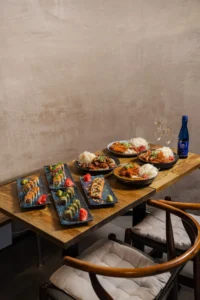 Many diners love eating fresh California rolls. However, chefs in Japan did not invent them at all. Actually, a clever chef in Canada created this famous roll. He hid the seaweed inside the rice. He did this to please cautious Western customers. Furthermore, he added creamy avocado to mimic rich tuna. Consequently, this unique dish sparked a global sushi craze instantly.
2. Spicy Tuna Rolls
Similarly, spicy tuna rolls feature on almost every modern menu. However, traditional Japanese cuisine avoids spicy sauces completely. An innovative American chef invented this fiery dish. He mixed leftover tuna scraps with hot chilli sauce. Moreover, he added sesame oil to enhance the rich flavour. Therefore, you eat a brilliant American creation, not a Japanese one.
3. Cream Cheese Sushi
Additionally, cream cheese frequently appears in modern sushi rolls. People usually call this creation a Philadelphia roll. Obviously, Japan does not produce cream cheese traditionally. American restaurants added this dairy product to attract local diners. Furthermore, they paired it with smoked salmon to mimic a bagel. Consequently, you will never find cheese in a traditional Tokyo restaurant.
4. Salmon Sushi
Surprisingly, Japanese people never ate raw salmon traditionally. Pacific salmon contained dangerous parasites in the past. Therefore, locals only ate thoroughly cooked salmon dishes. However, Norway wanted to sell extra fish in the 1980s. Norwegian marketers visited Japan to promote their fresh Atlantic salmon. They convinced Japanese chefs to try this safe, imported fish. Thus, a Norwegian campaign created modern salmon sushi entirely.
Famous Hot Dishes and Sauces
5. Thick Teriyaki Sauce
Is Teriyaki really Japanese? Japanese cooks definitely use a light teriyaki glaze. However, the thick, sweet sauce comes directly from Hawaii. Hawaiian locals mixed simple soy sauce with rich brown sugar. Moreover, they added fresh pineapple juice to sweeten the marinade. Consequently, the sticky teriyaki sauce represents Hawaiian-American culture entirely.
6. Tempura
Furthermore, crispy tempura holds a very surprising European history. Portuguese missionaries visited Japan in the sixteenth century. They brought their deep-frying techniques with them. Japanese cooks watched them fry vegetables in hot oil. Subsequently, Japanese chefs adapted this Portuguese method perfectly. They created a much lighter batter for the food. Therefore, this famous dish actually possesses European roots.
7. Teppanyaki Steakhouses
Diners absolutely love watching chefs perform at teppanyaki restaurants. Cooks throw shrimp and build onion volcanoes enthusiastically. However, traditional Japanese dining shuns such noisy, messy displays. A Japanese chef created this theatrical style after World War II. He designed it specifically to entertain visiting American soldiers. Consequently, teppanyaki steakhouses target foreign tourists, not local residents.
Condiments and Sweet Treats in Authentic Japanese Restaurants
8. Fake Green Wasabi
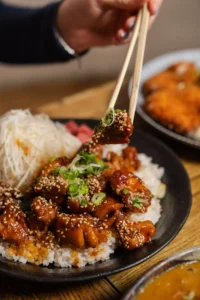 Almost every enthusiastic sushi fan eats green wasabi paste. Nevertheless, you probably eat coloured horseradish instead of real wasabi. Farmers grow real wasabi root in cold mountain streams. Consequently, this rare plant costs a lot of money. Furthermore, fresh wasabi loses its delicate flavour very quickly. Therefore, manufacturers dye cheap Western horseradish green to fool consumers.
9. Spicy Mayonnaise
Additionally, many diners dip everything into bright spicy mayonnaise. Japanese cooks certainly use a special Kewpie mayonnaise brand. However, they never mix it with hot sauce traditionally. Western chefs created this bright orange condiment for their restaurants. They wanted to add extra flavour to plain seafood dishes. Therefore, spicy mayo represents another clever Western restaurant invention.
10. Mochi Ice Cream
Finally, mochi ice cream provides a perfect, refreshing dessert. Japanese people certainly eat traditional pounded rice mochi. Yet, they do not stuff it with sweet ice cream. An American businesswoman invented mochi ice cream in Los Angeles. She wanted to combine two popular desserts together beautifully. Therefore, this sweet treat represents Californian innovation entirely.
Enjoy Your Food Regardless
In conclusion, food history involves constant change and cultural sharing. Chefs borrow brilliant ideas from different cultures constantly. Therefore, you can still enjoy eating these delicious meals. Knowing the real truth simply makes dining much more interesting. Furthermore, you can impress your friends with these fun facts. Ultimately, good food tastes wonderful, regardless of its original origin.