
Regional Ramen Types: Japan’s Noodle Scene
The humble bowl of ramen sits at the heart of Japanese comfort food, therefore exploring regional ramen types is essential for any foodie. It offers a culinary landscape as diverse as the nation itself. Many regions champion their own unique twist on this classic dish. This article explores the fierce yet delicious regional ramen rivalry across Japan. We guide you through the key styles and must-try bowls. You’ll soon appreciate the rich variety within this global noodle phenomenon.
Hokkaido: The Land of Miso Magic
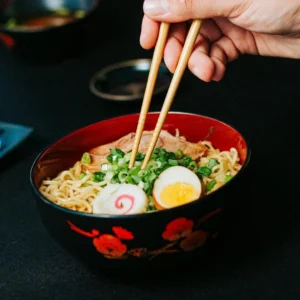 Hokkaido, the northern island, claims ownership of one of ramen’s most beloved styles: Miso Ramen. The cold climate of Sapporo, its capital, inspired its creation. Chefs there developed a rich, warming soup base.
Sapporo Miso Ramen
This style uses a deeply flavourful miso paste in the broth. This paste often features garlic and ginger. It brings an intense umami hit. The broth is typically a rich, milky pork or chicken stock. It often includes a generous amount of lard for heat. Cooks usually stir-fry vegetables like bean sprouts and cabbage with the miso. They place these directly into the bowl. The noodles are generally thick, chewy, and slightly wavy. This texture helps them stand up to the heavy broth. Corn and a cube of butter are common, distinctive toppings.
Honshu’s Diverse Delights and Regional Ramen Types
Honshu, the main island, showcases the most significant regional variations. This culinary diversity reflects the island’s vast geography.
Tokyo Shoyu Ramen
Tokyo, Japan’s bustling capital, offers the original and most influential style. Specifically, Shoyu Ramen means soy sauce ramen. Consequently, this soup base is a clear, brown broth. Indeed, it features chicken or pork stock, heavily seasoned with soy sauce. Moreover, the flavour is clean, salty, and incredibly well-balanced. Therefore, noodles are typically thin and curly. Furthermore, common toppings include chāshū, menma, and a half-boiled egg. Ultimately, Tokyo ramen became the blueprint for many other regional styles.
Fukuoka Hakata Tonkotsu Ramen
The island’s southern region boasts one of the most famous bowls. Fukuoka, particularly the Hakata ward, perfected Tonkotsu Ramen. This means “pork bone” ramen. The broth is creamy, white, and opaque. Chefs achieve this colour by boiling pork bones for many hours. This process extracts collagen and fat. The resulting soup is immensely rich and flavourful. These bowls use extremely thin, straight, and firm noodles. Customarily, diners ask for kaedama. This is a refill of noodles, served without extra broth.
Fukushima Kitakata Ramen
Kitakata City, in Fukushima Prefecture, offers a unique take. Their ramen is famous for its flat, wide, hand-crumpled noodles. This provides a superb, slightly slick texture. The broth is a light, clean, and delicate shoyu (soy sauce) base. It often combines pork and chicken stock. The chāshū is sometimes cut thicker here. Therefore, the dish offers a contrast of textures.
Southern Kyushu’s Spicy Kick
 Kyushu, the southernmost main island, embraces even more distinct flavours. Here, chefs often incorporate local ingredients.
Kumamoto Ramen
Kumamoto’s style builds upon the Hakata Tonkotsu base. However, it takes a significant detour. They add māyu (black garlic oil) to the soup. This oil imparts a smoky, slightly bitter, and deeply aromatic flavour. The noodles are usually slightly thicker than Hakata’s. Chefs also often add fried garlic chips for extra crunch. This creates a more complex and intense profile than its Fukuoka cousin.
The Ultimate Noodle Showdown of Regional Ramen Types
Consequently, the search for Japan’s best ramen is impossible. Clearly, it depends entirely on personal preference. For instance, do you crave the creamy intensity of Tonkotsu? Otherwise, perhaps you prefer the sharp, clear flavour of Tokyo Shoyu? Indeed, maybe you desire the comforting heartiness of Miso Ramen? Regardless, each region proudly presents its masterful creation. Therefore, this national noodle rivalry enriches the entire culinary landscape. Ultimately, ramen lovers face an endless journey of delicious discovery ahead. So, what regional bowl will you try next?